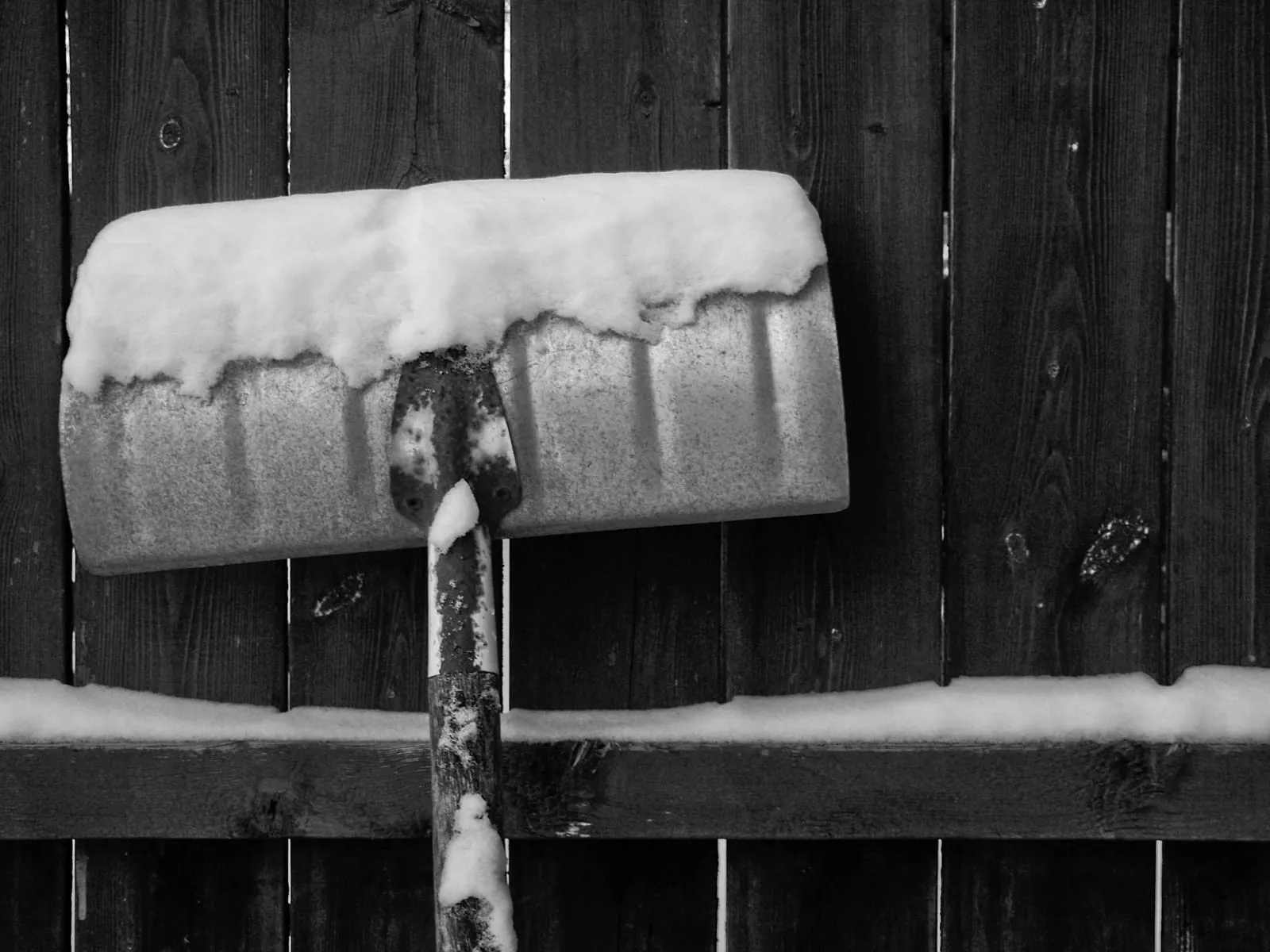

Quick answer: push snow whenever you can. A wide pusher like the Suncast 24 in. UHMW Snow Pusher clears light snow without lifting, and the Suncast 24 in. Combo works as a pusher or a shovel. When you do have to lift, the Snow Joe Shovelution’s second, spring-assisted handle reduces bending. For short walks and steps, a cordless snow shovel moves the snow for you. If you have heart disease or its risk factors, the American Heart Association says not to shovel at all [2].
Ohio gets serious snow, especially in the northeast. The National Weather Service office in Cleveland says normal seasonal snowfall in the snowbelt areas it covers is typically 70 to over 100 inches [1]. Shoveling it is hard work. Researchers at Nationwide Children’s Hospital in Columbus found an average of 11,500 snow shoveling injuries and medical emergencies a year in U.S. emergency departments from 1990 to 2006. Cardiac problems were 7% of cases but accounted for all 1,647 deaths in the study [3].
Why it matters in Ohio
- Normal snowfall in the snowbelt
- 70 to over 100 inches a season [1]
- U.S. ER visits from snow shoveling
- About 11,500 a year (1990 to 2006) [3]
- Most common injury
- Muscle and back strain from exertion, 54% [3]
- Shoveling deaths that were cardiac
- 100% of 1,647 in the study [3]
- Heart risk, age 55 and older
- 4.25 times more likely to have cardiac symptoms [3]
What the heart experts say
The American Heart Association says heavy snow shoveling may be as demanding on the heart as a treadmill stress test, and that in one study, heart rates passed 85% of maximum after only two minutes of shoveling [2]. The AHA’s advice [2]:
- Push or sweep snow instead of lifting and throwing it.
- Start slowly and pace yourself. Cover your mouth and nose and dress in layers.
- Be careful in wind, which makes it feel colder.
- Know who shouldn’t shovel. People who are sedentary or have obesity, a smoking history, diabetes, high cholesterol or high blood pressure, or a past heart attack, stroke, bypass or angioplasty should not shovel snow in any conditions, according to Barry Franklin, quoted in the AHA’s release.
How we chose
- Less lifting. The research above points to pushing over lifting [2][3], so we favored pushers, combo blades and a shovel built to reduce bending.
- Specs from the maker. Blade size, length and materials come from each maker’s own product page.
- Recall check. We searched the CPSC recall database on November 2, 2026, by brand and model [8].
- No health promises. A better shovel can reduce bending and strain. It doesn’t make shoveling safe for people the AHA says shouldn’t do it.
Our picks
Best for: Pushing light snow off walks and driveways
Suncast 24 in. UHMW Snow Pusher (SPUH2400D)
A wide pusher lets you move snow without lifting it, which is what both the AHA and the Columbus researchers recommend. The non-stick blade helps snow slide off.
- Blade 24 in. wide x 9 in. high; 55 in. long [4]
- UHMW-PE blade, described as wear and impact resistant [4]
- Steel core shaft with resin covering [4]
Safety check: No safety certification applies. CPSC recall search found no Suncast recall (checked 2026-11-02).
Watch out: Suncast says the wide blade is for light, fluffy snow. It isn't built for heavy, wet snow or for throwing snow onto a pile.
See it on Amazon → We chose it from specs and safety records; we haven't tested it ourselves.
Best for: One tool for pushing and occasional lifting
Suncast 24 in. Combo Snow Shovel and Pusher (SC2450KDD)
The blade combines a pusher and a shovel, so you can push most of the snow and scoop only what you must.
- Blade 24 in. wide x 12 in. high; 51.25 in. long [5]
- Steel shaft with powder-coated finish; galvanized steel wear strip [5]
- D-grip handle [5]
- 90-day warranty [5]
Safety check: No safety certification applies. CPSC recall search found no Suncast recall (checked 2026-11-02).
Watch out: A full 24-inch scoop of wet snow is heavy. Lift partial loads, and the warranty is short.
See it on Amazon → We chose it from specs and safety records; we haven't tested it ourselves.
Best for: When you have to lift and throw snow
Snow Joe Shovelution Strain-Reducing Snow Shovel, 18 in. (SJ-SHLV01)
A second, spring-assisted handle acts as a fulcrum so you bend less, and the smaller 18-inch blade limits how much you pick up at once.
- 18 in. poly blade with aluminum wear strip [6]
- 41.3 in. handle [6]
- Spring-assist handle and D-ring grips [6]
- 2-year warranty [6]
Safety check: No safety certification applies. CPSC recall search found no recall for this shovel; the only Snow Joe recall listed was for Sun Joe cordless mowers in 2022 (checked 2026-11-02).
Watch out: The maker's claim that it cuts back strain by up to 30% is its own figure; we couldn't find an independent test. It's still lifting.
See it on Amazon → We chose it from specs and safety records; we haven't tested it ourselves.
Best for: Steps, porches and short walks without lifting
Snow Joe 24V-SS11-XR Cordless Snow Shovel, 11 in.
A battery-powered auger throws snow so you don't lift it. It weighs about 10.6 lb, and the dual handle reduces bending.
- Clears an 11 in. wide x 7 in. deep path per pass; throws up to 20 ft [7]
- Up to 370 sq ft of 3 in. snow per charge, per Snow Joe [7]
- 24V 5.0 Ah battery and charger included; up to 2 hr 20 min to charge [7]
- 2-year warranty [7]
Safety check: The maker's page doesn't list a safety certification. CPSC recall search found no recall for this model (checked 2026-11-02).
Watch out: It's for light snow on small areas. Deep or heavy, wet snow needs a full snow blower or many passes.
See it on Amazon → We chose it from specs and safety records; we haven't tested it ourselves.
Buying guide
- Blade size is a tradeoff. A wide pusher moves more snow per pass. A smaller shovel blade means lighter loads when you lift.
- Check the handle. A D-grip or second handle helps you keep your back straighter.
- Clear early and often. Nationwide Children’s suggests breaking up big jobs by clearing snow several times through the day [3].
- Wear good boots. Nationwide Children’s recommends dressing warmly and wearing slip-resistant, high-traction footwear [3].
Sources
- National Weather Service Cleveland: 2022-2023 Seasonal Snowfall Summary
- American Heart Association: Snow shoveling, cold temperatures combine for perfect storm of heart health hazards (Jan. 11, 2024)
- Nationwide Children's Hospital: New National Study Finds 11,500 Emergency Department Visits, Nearly 100 Deaths Related to Snow Shoveling Each Year (Jan. 2011)
- Suncast: 24 in. UHMW Snow Pusher (SPUH2400D)
- Suncast: 24 in. Combo Snow Shovel and Pusher (SC2450KDD)
- Snow Joe: Shovelution Strain-Reducing Snow Shovel, 18 in. (SJ-SHLV01)
- Snow Joe: 24V-SS11-XR Cordless Snow Shovel Kit
- U.S. Consumer Product Safety Commission: Recalls database (searched Nov. 2, 2026)
Common questions
Is shoveling snow hard on your heart?
It can be. The American Heart Association says heavy snow shoveling may be as demanding on the heart as a treadmill stress test, and that in one study, heart rates passed 85% of maximum after two minutes of shoveling. People with heart disease or its risk factors should have someone else clear the snow.
Is it better to push snow or lift it?
Push it when you can. The AHA advises pushing or sweeping snow rather than lifting and throwing it, and Nationwide Children's Hospital in Columbus says the best way to clear snow is by pushing it instead of lifting.
How much snow does northern Ohio get?
The National Weather Service in Cleveland says normal seasonal snowfall in the snowbelt east of Cleveland is typically 70 to over 100 inches.